
Top Features to Look for in a Lithium Battery Car Vacuum Cleaner
2026-03-07
Top Features to Look for in a Lithium Battery Car Vacuum Cleaner
In the world of automotive care, maintaining the cleanliness of your vehicle is paramount. A lithium battery car vacuum cleaner is an indispensable tool for any car owner who values cleanliness and convenience. This article delves into the top features to consider when selecting a lithium battery car vacuum cleaner, ensuring you make an informed decision that meets your specific needs.
Understanding Lithium Battery Technology
Before diving into the features of lithium battery car vacuum cleaners, it’s essential to understand the advantages of lithium battery technology. Lithium batteries are renowned for their high energy density, lightweight nature, and longer lifespan compared to traditional lead-acid batteries. These attributes make them ideal for portable devices like car vacuum cleaners, enabling powerful performance without the inconvenience of a cord.
Key Features to Consider
1. Suction Power
The suction power of a vacuum cleaner is one of the most crucial features to evaluate. When it comes to car vacuum cleaners, you want a model that delivers robust suction to effectively remove dirt, dust, and debris from various surfaces inside your vehicle. Look for models with a suction power measured in air watts (AW) or Pascal (Pa). Generally, a suction power of at least 60 AW is considered effective for car cleaning.
2. Battery Life and Charging Time
Battery life significantly impacts the usability of a lithium battery car vacuum cleaner. Opt for models that provide a minimum of 20-30 minutes of continuous operation on a full charge. Additionally, consider the charging time; quicker charging options can be a game-changer for busy individuals. A vacuum cleaner that fully charges in under 4 hours can be incredibly convenient for on-the-go clean-ups.
3. Portability and Design
The design and portability of the vacuum cleaner are also essential features. A compact and lightweight model makes it easier to maneuver within the tight spaces of a car. Look for vacuums that come with ergonomic handles and a sleek design that fits comfortably in your trunk or storage compartment without taking up much space.
4. Attachments and Accessories
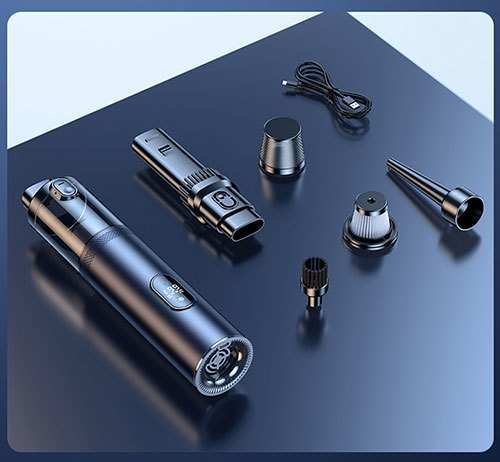
Attachments can enhance the functionality of your lithium battery car vacuum cleaner. Common attachments include:
- Crevice Tool: Perfect for reaching narrow spaces and gaps.
- Brush Nozzle: Ideal for picking up pet hair and cleaning upholstery.
- Extension Hose: Provides added reach for cleaning hard-to-access areas.
Consider models that come with a variety of attachments to make your car cleaning experience more comprehensive and efficient.
5. Dustbin Capacity
The dustbin capacity of a vacuum cleaner determines how much debris it can hold before needing to be emptied. For car vacuum cleaners, a capacity of at least 0.5 liters is recommended to accommodate a reasonable amount of dirt without frequent disposal. Additionally, look for models with easy-to-empty dustbins that minimize mess during disposal.
6. Filtration System
A high-quality filtration system is vital for capturing fine dust particles and allergens. HEPA filters are particularly effective and can help improve air quality inside your vehicle. When selecting a vacuum, ensure it has a reliable filtration system that can effectively trap dirt and dust, keeping the air inside your car fresh and clean.
7. Noise Level
Noise pollution can be an annoyance, especially when vacuuming your car in a quiet neighborhood or in a shared garage. Look for vacuum cleaners that specify their decibel (dB) levels; quieter models typically operate at around 70 dB. A quieter vacuum can make your cleaning sessions more pleasant and less intrusive to those around you.
8. Build Quality and Durability
Investing in a vacuum cleaner that boasts good build quality and durability is essential for long-term use. Look for models made from high-quality materials that can withstand wear and tear. Reading customer reviews can provide insights into a vacuum's performance over time and its ability to handle regular use.
Additional Considerations
Beyond the primary features highlighted, consider the following additional factors when selecting a lithium battery car vacuum cleaner:
- Warranty: A good warranty can provide peace of mind regarding the product’s longevity and performance.
- Price: Balance your budget with the features offered; higher-priced models may come with more advanced features.
- User Reviews: Reading user reviews can offer real-world insights into how the vacuum performs in everyday situations.
Comparing Popular Lithium Battery Car Vacuum Cleaners
To give you a better idea of what's available on the market, here's a brief comparison of some popular lithium battery car vacuum cleaners:
| Model | Suction Power (AW) | Battery Life (minutes) | Attachments | Price ($) |
|---|---|---|---|---|
| Model A | 80 | 30 | Crevice Tool, Brush Nozzle | 99.99 |
| Model B | 60 | 25 | Crevice Tool, Extension Hose | 79.99 |
| Model C | 90 | 40 | Brush Nozzle, Extension Hose | 119.99 |
This comparison highlights the differences in suction power, battery life, and attachments, allowing you to choose a model that aligns with your cleaning needs and budget.
FAQs
1. How often should I vacuum my car?
It’s advisable to vacuum your car at least once a month, or more frequently if you have pets or frequently transport children.
2. Can I use a lithium battery car vacuum cleaner on wet surfaces?
No, most lithium battery car vacuum cleaners are designed for dry debris only. Using them on wet surfaces can damage the motor and electrical components.
3. How do I maintain my lithium battery car vacuum cleaner?
Regularly empty the dustbin, clean or replace the filters as recommended, and ensure the charging contacts are free from dirt to maintain optimal performance.
4. Can I use my car vacuum cleaner for home cleaning?
While designed for cars, many lithium battery car vacuum cleaners can also efficiently clean smaller areas in your home, making them versatile cleaning tools.
5. What should I do if my vacuum loses suction power?
If your vacuum loses suction, check for blockages in the hose or filters, and ensure the dustbin isn’t full. Cleaning these components often restores suction power.
Conclusion
Selecting the right lithium battery car vacuum cleaner involves considering multiple features that cater to your specific needs. From suction power and battery life to attachments and build quality, each feature plays a vital role in ensuring your cleaning experience is seamless and effective. By understanding these attributes and comparing available models, you can make an informed decision that will help keep your vehicle in pristine condition. With the right vacuum in hand, you'll be well-equipped to tackle any mess that comes your way.
Related news


Message Inquiry
Please leave your contact information so that we can contact you as soon as possible!

Contact Us
Tel:+86 13428928326
E-mail:alice@deruichen.com
Add:Room 901, Building 5, No. 106,
Changdong Road, Changping Town, Dongguan City, Guangdong Province